
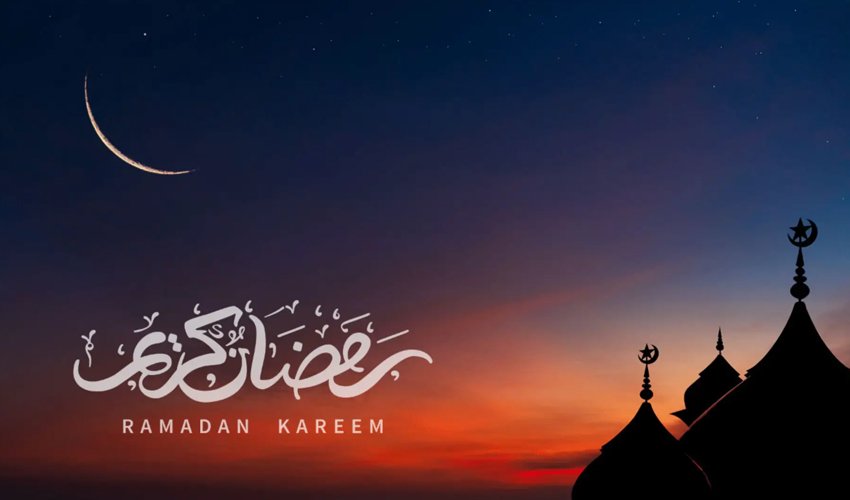
Ramadan is a holy month observed by Muslims worldwide, marked by fasting, prayer, reflection, and community. It is the ninth month of the Islamic lunar calendar, and its significance is deeply rooted in Islamic tradition and history. During this month, Muslims abstain from food, drink, smoking, and other physical needs from sunrise (suhoor) to sunset (iftar), focusing instead on spiritual growth, self-discipline, and acts of charity.
The Spiritual Significance of Ramadan
Ramadan holds immense spiritual significance for Muslims. It is believed to be the month in which the Quran, the holy book of Islam, was first revealed to Prophet Muhammad (peace be upon him) by the angel Gabriel. As such, it is a time of heightened devotion, increased prayer, and seeking forgiveness for past sins. The fast is not only a physical discipline but also a spiritual one, fostering self-control, empathy for the less fortunate, and a deeper connection with God.
Fasting and Self-Discipline
The fast during Ramadan is one of the Five Pillars of Islam and is obligatory for all adult Muslims, with exceptions for those who are ill, pregnant, nursing, traveling, or menstruating. The fast begins at dawn with suhoor, a pre-dawn meal, and ends at sunset with iftar, the breaking of the fast. Fasting involves abstaining not only from food and drink but also from negative behaviors such as gossiping, lying, and engaging in arguments.
This practice of self-discipline teaches Muslims patience, empathy, and gratitude. It reminds them of the blessings they have and encourages them to be mindful of those who are less fortunate. Additionally, fasting is seen as a way to purify the soul, seek God’s mercy, and attain spiritual elevation.
Prayer and Reflection
Ramadan is a time of intensified prayer and spiritual reflection. Muslims engage in extra prayers, such as Taraweeh, which are performed at night after the evening prayer (Isha). These prayers are often recitations from the Quran and serve as a means to draw closer to God, seek guidance, and reflect on one’s actions and intentions.
Furthermore, Muslims are encouraged to engage in acts of charity and kindness during Ramadan. This includes giving to the poor and needy, feeding the hungry, and contributing to charitable causes. The spirit of generosity and compassion is central to Ramadan, fostering a sense of community and solidarity among Muslims worldwide.
The Joy of Eid al-Fitr
The culmination of Ramadan is marked by Eid al-Fitr, a joyous festival that celebrates the end of fasting and the breaking of the fast. Muslims gather for communal prayers, share festive meals with family and friends, exchange gifts, and express gratitude for the blessings of Ramadan. It is a time of joy, unity, and thanksgiving, as well as a reminder of the values of faith, love, and compassion that Ramadan embodies.